

Most people are probably more than confused by the fact that skin is waterproof and reality is that the skin and the human body are mostly made up of water. This is just one of things that makes this whole revelation so exciting.
We all are aware that , as a protective barrier , the skin plays a major role in keeping us healthy. It’s proven to be the body’s biggest safeguard against infections. That’s why skin plays an important role to human body. In fact, without it, we’d literally evaporated.
BEHAVIOUR OF THE SKIN_ ( as permeable or impermeable )
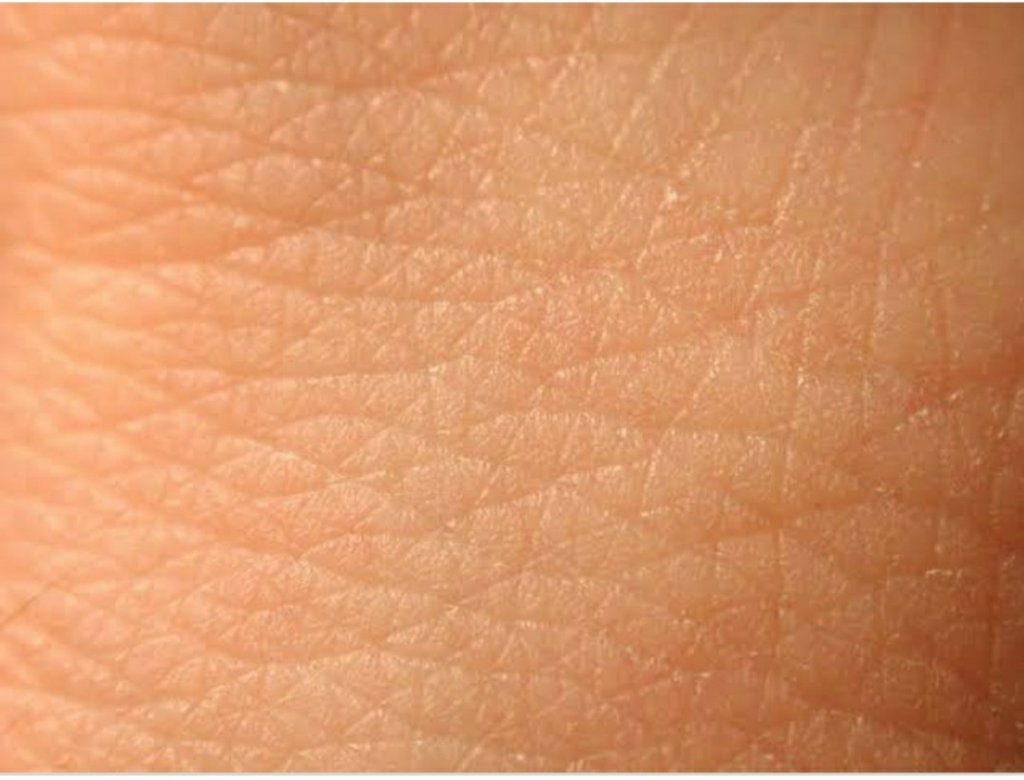
Generally, the fleshy covering ( made up of 4-5 sub layers of closely packed cells ) of the skin, in the form of epidermis, acts as a water-resistant outer layer that intercede the body against harmful chemicals, extremes of temperature, bacteria, germs etc. Skin is additionally a vast sensor with nerves which keeps our brain in touch with the outside world.
It is not secret that, our skin consists of three main layers called – Epidermis , Dermis and Hypodermis. Hypodermis also called as adipose tissue that houses blood vessels, hair follicles, sweat glands and other structure. The skin pore opening is located on the top of the epidermis, extending downwardly through multiple layers of the skin.
The stratum corneum is the outer layer of the skin (epidermis). It serves as the primary barrier between the body and the environment.
The epidermis is made up of five layers:
- stratum basale: the deepest layer of epidermis, made up of cuboidal and columnar cells
- stratum spinosum : made up of skin cells that are connected by desmosomes giving these cells a spiny appearance under a microscope
- stratum granulosum : made up of skin cells with granules containing components that contribute to the formation of the outer skin layer
- stratum lucidum : thin, lighter appearing layer only present on the palms and soles
- stratum corneum : the outermost layer of skin, made up of layers of very resilient and specialized skin cells and keratin
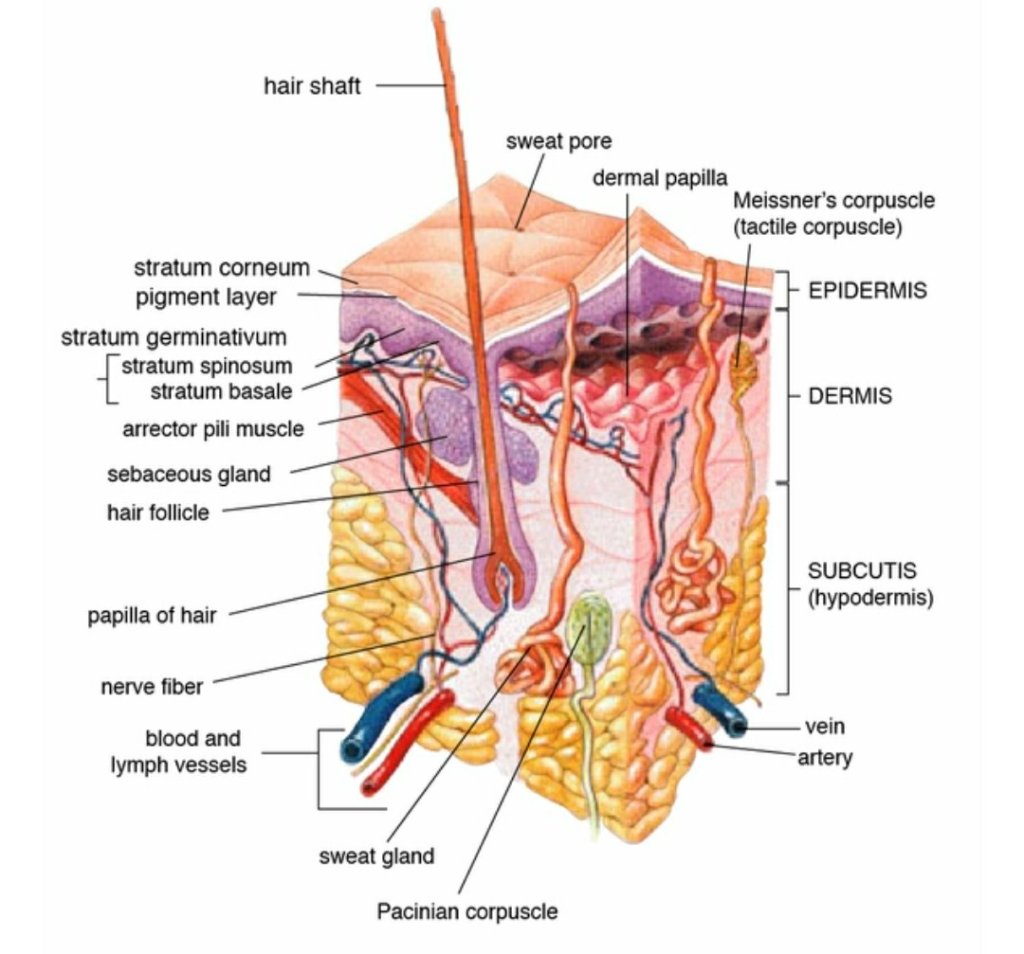
Human Anatomy
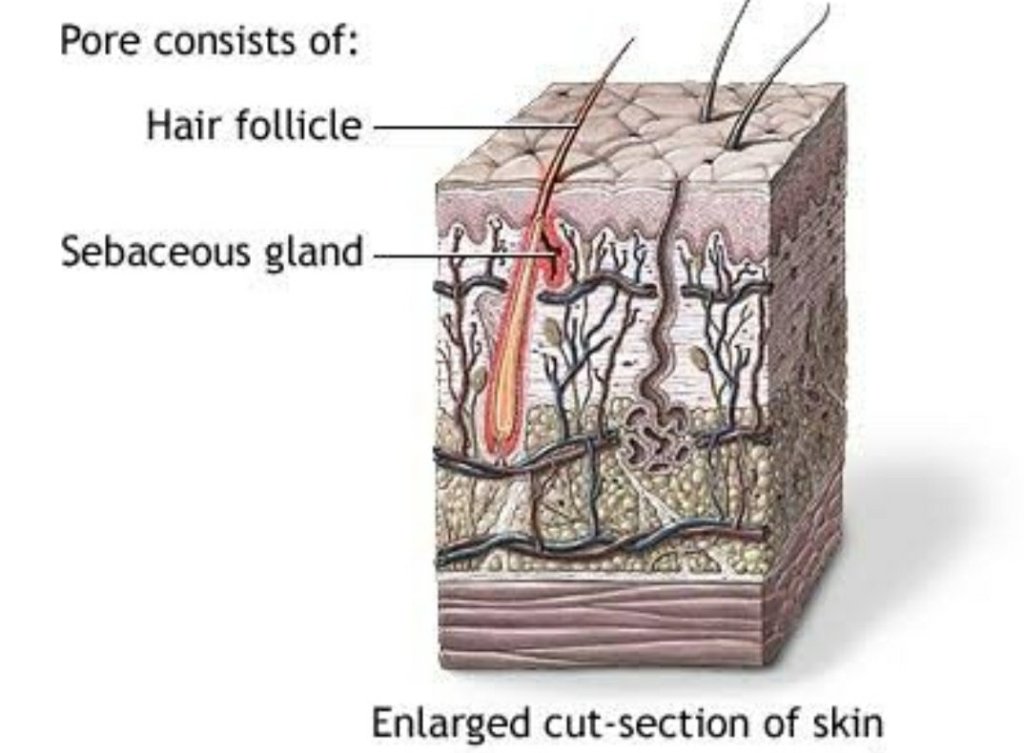
The skin has millions of pores that have several functions which includes releasing of sweat, helping decrease body temperature, receiving moisture and keeping the skin healthy and flexible. An arrangement of fatty bilayer lipid molecules makes skin impermeable. These fatty molecules can be found in between the outermost layer of skin called as – Stratum Corneam. The structure makes it to where water cannot pass in either direction of the skin, essentially, making the skin waterproof and not just water resistant. The only part of the skin that is not waterproof or water resistant is the pores. This tiny openings allow moisture and water to penetrate the body.
So, now it makes us cleared that skin is waterproof and not water resistant. It is designed to specifically keep water out, not to keep it in . Naturally, how much it rains or how soaked the clothes get; our skin will always prevent the water from entering the body. Additionally, the most interesting part is that the skin is able to repeal water while also forcing it out of the body at the same time in the form of sweat.
Which Substance Helps Skin Being As Impermeable One ??
KERATIN and SEBUM plays important role to make body or skin waterproof which are decoded below –
- KERATIN : is also the protein from which nails and hairs are formed. It gives skin much of its resistance to physical wear and tear and makes skin waterproof. Since Keratin is ” insoluble” it is incapable of dissolving in water. Additionally, when the skin is exposed to water for a long time, then the Keratin water resistance capability decreases but it’s satisfied by intellect that the body is continuously producing new Keratin.
- SEBUM : For impermeable nature of our body we have to thanks Sebaceous Glands, which are generally attached to the follicles of the hair .These glands generate a substance known as SEBUM, which is made up of a mixture of cell debris and facts. Sebum has a greasy texture, which is utilised to keep skin hydrated and flexible. It also helps prevent moisture and water from penetrating the skin. Simply put, as long as your body continues to produce sebum ,you won’t have to worry about absorbing dangerous amount of water.
People’s Thinking About Water ( good or bad ) To Our Skin mpm-
The thing to think about is – HOW COULD WATER BAD FOR THE SKIN??
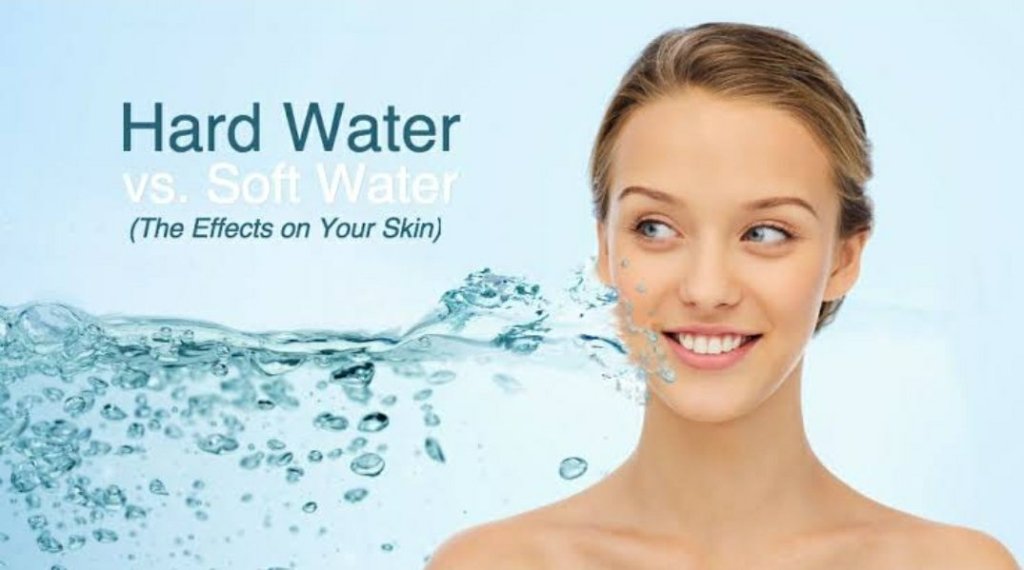
Defacto we all are known that earth consists of different types of water here and there and we considered the fact that rainwater is different in certain parts of world. Literally we use water every day to cleanse face and skin as well as brush the teeth. But the first thing we need to know is that not everyone is exposed to the same types of water. Some individuals live in areas where water is considered soft and some where hard.
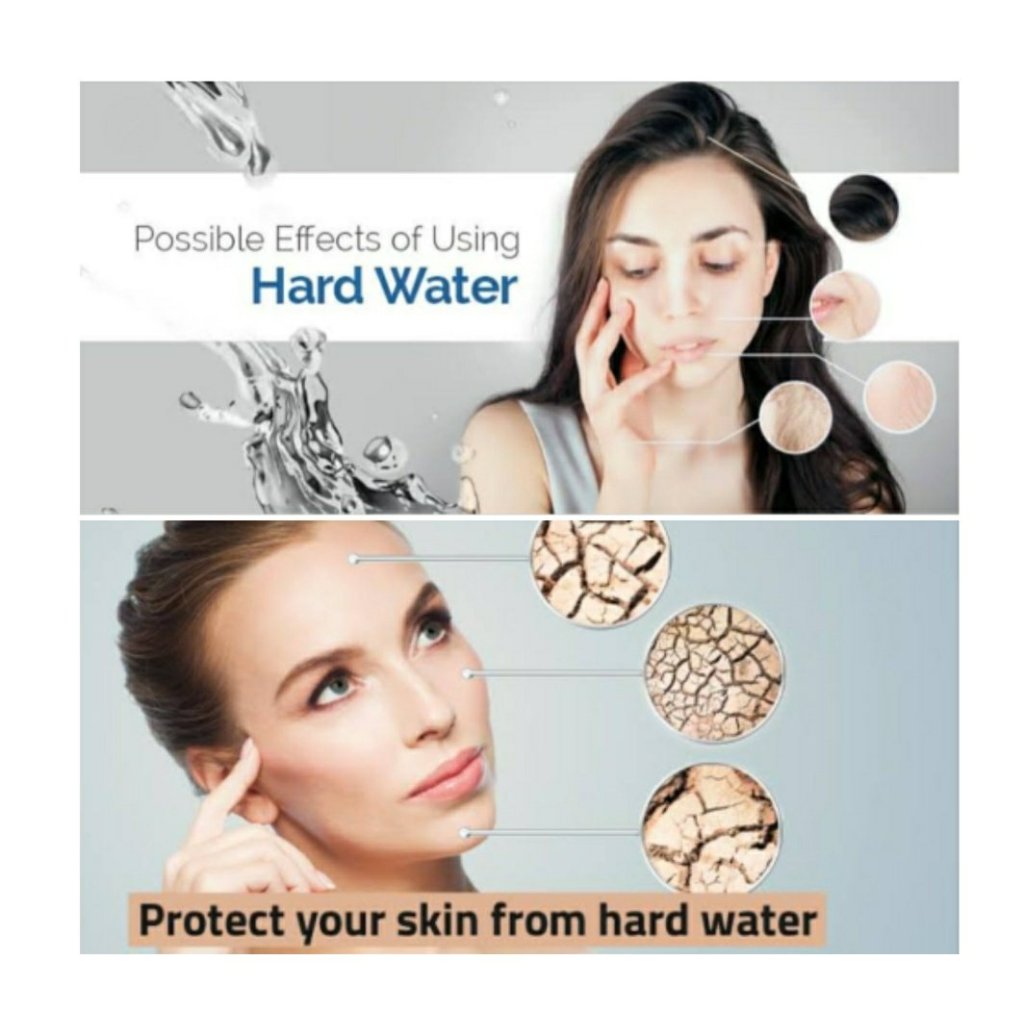
All that aside, it’s important to understand these different types of water and how they can affect your skin. Particularly, saltwater is not bad for skin. But hard water proves harmful for the skin.
CONCLUSION :
As a cessation, we have finally cleared that human skin is waterproof but not 100% due to cuts or scrapes on the skin as well as orifices that would absorb water. If a dead human were to be left in water for several days, or even weeks, it would swell up from absorbtion of the skin and also water leaking in through larger orifaces such as the ears , nostrils and mouth.

 Shrubloggie